Teaching Computer Science
Computer science teaches computational thinking: algorithms, programming, data and how computing affects society. Elementary students use block-based coding; middle and high school move to text-based languages such as Python or JavaScript. AP Computer Science Principles and AP Computer Science A offer college-level courses.
Topics teachers make most
- Sequencing and algorithms (elementary)
- Block-based coding (elementary)
- Debugging (elementary)
- Algorithms and flowcharts (middle school)
- Variables and loops (middle school)
- Binary and data (middle school)
- Internet safety (middle school)
- Introduction to Python
- Algorithms and pseudocode
- How the internet works
- Boolean logic
- Cybersecurity basics
Teaching tip: Have students predict what code will do before they run it. Prediction turns copying code into understanding it.
What students learn in Computer Science, grade by grade
Elementary (K-5)
Unplugged activities and block-based coding: giving precise instructions, sequencing, loops and events, finding and fixing bugs, and staying safe online. Short, hands-on tasks matter more than screen time.
Middle school (Grades 6-8)
Students build small programs and games using variables, conditionals and loops, start to read and write text-based code, and learn how data is stored in binary and how the internet moves information.
High school (Grades 9-12)
Introductory programming (often in Python), algorithms and pseudocode, Boolean logic, data and privacy, networks and cybersecurity. AP Computer Science Principles takes a broad view of computing; AP Computer Science A focuses on programming in Java.
Standards these lessons follow
CSTA K-12 Computer Science Standards
The Computer Science Teachers Association standards (2017 edition) are organized into five concepts: computing systems, networks and the internet, data and analysis, algorithms and programming, and impacts of computing. Levels run 1A (K-2), 1B (3-5), 2 (6-8), 3A (9-10) and 3B (11-12). A revised PK-12 edition has been in development.
AP Computer Science Principles
The College Board course is organized into five big ideas: creative development, data, algorithms and programming, computer systems and networks, and the impact of computing.
Your state's standards
Many states base their computer science standards on the CSTA standards. Save your state in your profile and lessons follow its wording.
What's in every Computer Science pack
Slide deck
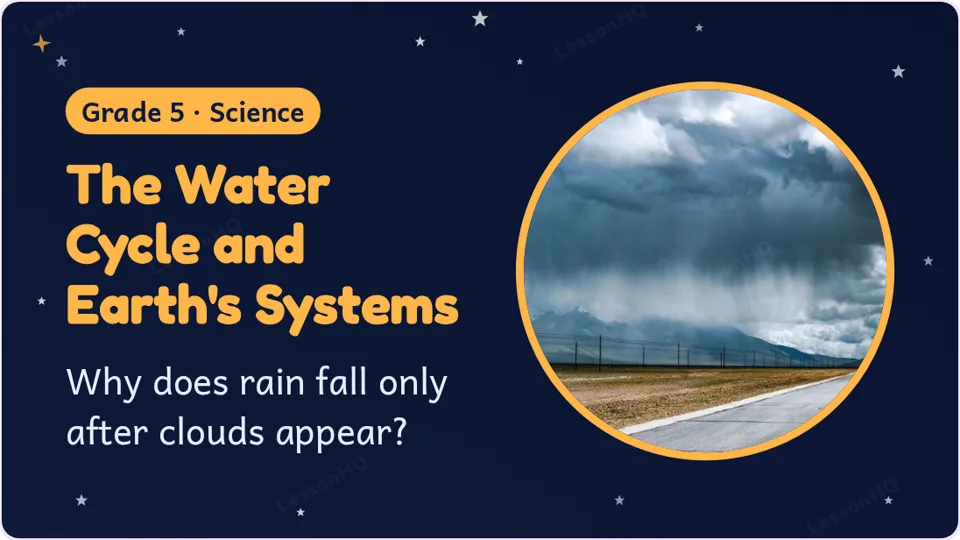
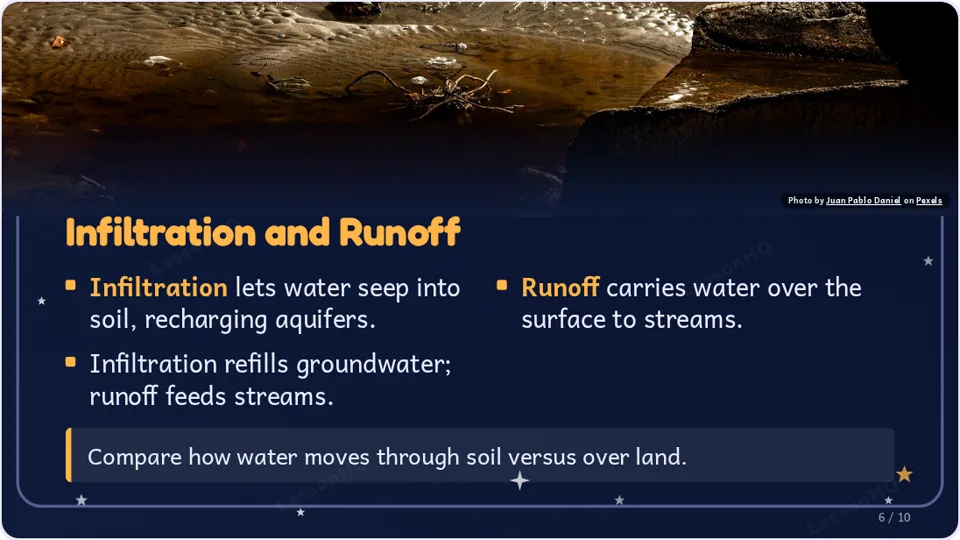
A ready-to-present lesson - title, warm-up, teaching slides, activity and closing check.
Lesson plan
Standards-aligned objectives, modeling, gradual release, differentiation and formative assessment.
Knowledge organizer
The vocabulary spine of the pack - key terms, people, dates and concepts on one page.
Warm-up / bell ringer
A low-stakes recall task to strengthen long-term memory at the start of the lesson.
Worksheet
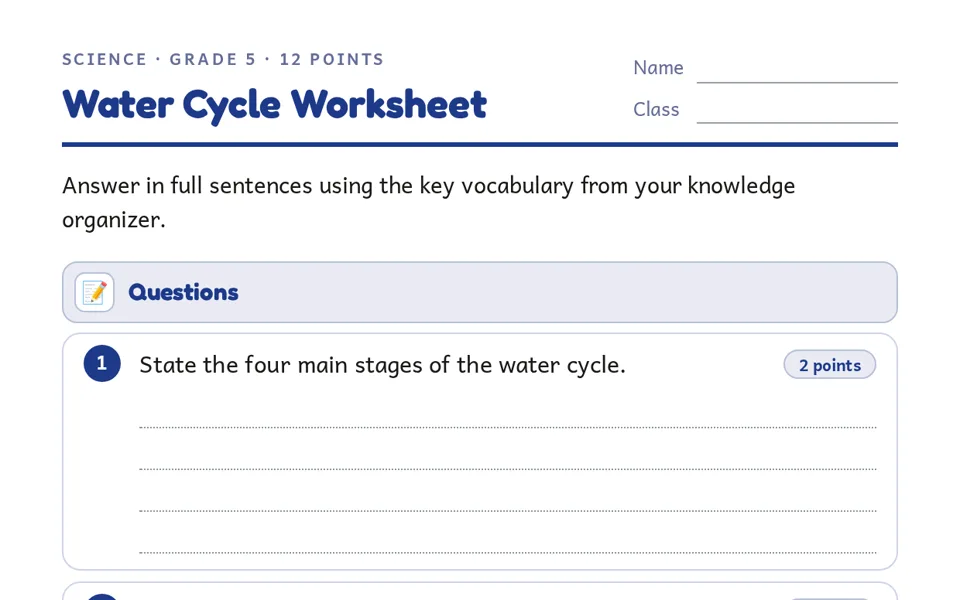
Tiered tasks with answer spaces and a full answer key, built from the same vocabulary.
Reading & comprehension
A leveled passage with text-dependent questions and an answer key (text-rich subjects).
Exit ticket
A quick check so you know what's landed before the bell.
Teacher notes
Common misconceptions, IEP and ELL guidance, and cross-curricular links.
Free Computer Science resources
Computer Science lessons by topic
Ready-made Computer Science resources
Finished resources from the LessonHQ Library you can preview, download or adapt today.
- Algorithms and Debugging: FoundationsLesson Plan · Middle School Computer Science · $1.99
- Algorithm Steps and Debugging Knowledge CheckActivity Sheet · Middle School Computer Science · $1.99
- Sub Plan: Introduction to Algorithms and DebuggingSub Plan · Middle School Computer Science · $1.99
- Introduction to Algorithms and DebuggingStudy Guide · Middle School Computer Science · $1.49
- Introduction to Algorithms and Debugging WorksheetWorksheet · Middle School Computer Science · $1.99
- Introduction to Algorithms and DebuggingLesson Pack · Middle School Computer Science · $3.99
- Introduction to Algorithms and DebuggingExit Ticket · Middle School Computer Science · $0.99
- Introduction to Algorithms and DebuggingSlide Deck · Middle School Computer Science · $2.49
- Knowledge & Homework Booklet: Introduction to Algorithms and DebuggingHomework Booklet · Middle School Computer Science · $2.49
Computer Science by grade
Aligned to your state's standards
Every Computer Science pack maps to your state's standards and tests - not a generic template. Choose your state:
- Texas
- California
- Florida
- New York
- Virginia
- Georgia
- Pennsylvania
- Tennessee
- North Carolina
- Indiana
- Oklahoma
- South Carolina
- Arizona
- Nebraska
- Minnesota
- Alaska
- Ohio
- Michigan
- Massachusetts
- Washington
- Colorado
- Maryland
- Missouri
- Wisconsin
- Alabama
- Louisiana
- Kentucky
- Utah
- Iowa
- Kansas
- Mississippi
- Idaho
- West Virginia
- Illinois
- New Jersey
- Connecticut
- Oregon
- Nevada
- New Mexico
- Arkansas
- Montana
- Hawaii
- Maine
- New Hampshire
- Vermont
- Rhode Island
- Delaware
- Wyoming
- North Dakota
- South Dakota
- District of Columbia
Computer Science lesson plans - FAQ
Do I need coding experience to teach these lessons?
No. Every lesson plan explains the concept, includes a worked example and lists common misconceptions, and elementary lessons can be taught unplugged with no devices at all.
Which grades do the computer science lessons cover?
Kindergarten to Grade 12: unplugged and block-based coding in elementary, variables, loops and data in middle school, and Python, algorithms, networks, cybersecurity and AP Computer Science Principles topics in high school.
Are the lessons aligned to the CSTA standards?
Yes. Lessons are written to the CSTA K-12 Computer Science Standards concepts for the right grade band, or to your state's computer science standards if you set your state.
Is it free?
You can start free with no credit card. Slides, worksheets and answer keys are fully editable.
Make your Computer Science lesson now
Any topic, any grade. Ready to teach in under a minute.