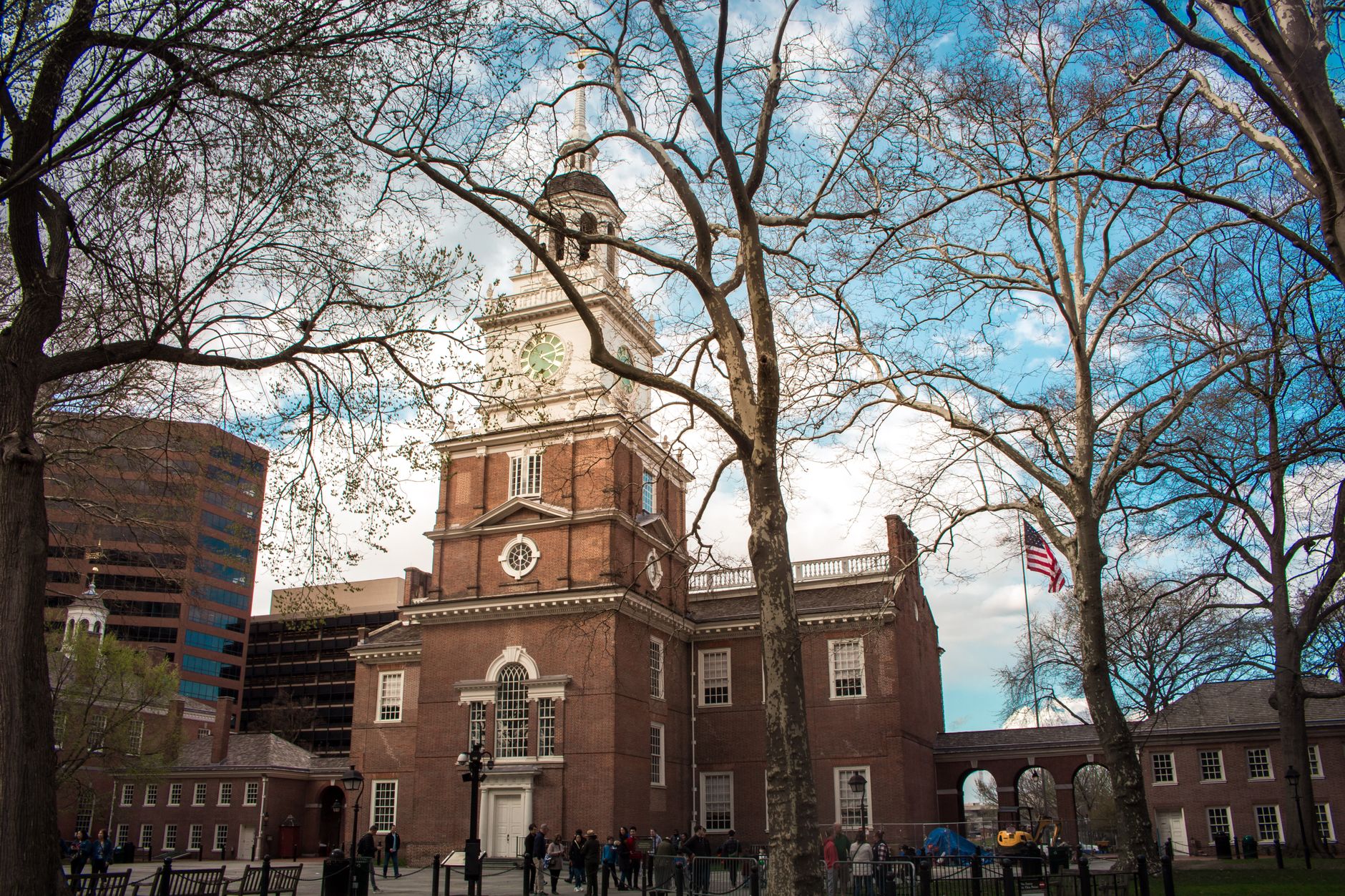
About this example
This was one of the strongest packs in our US library. We added the source of judicial review (Marbury v. Madison, 1803), put the dates in US order and fixed a slide title before publishing it.
It is pitched for eighth grade civics and US history and gives students plenty of chances to connect the documents to their own rights today.
Curriculum alignment: C3 Framework D2.Civ.3.6-8 (examine the origins, purposes, and impact of constitutions, laws, treaties, and international agreements) and D2.Civ.4.6-8 (explain the powers and limits of the three branches of government).
What's in the pack
- 10 editable slidesTitle, vocabulary, teaching slides, a true or false check and a closing slide, in one theme.
- Lesson planA 60-minute plan with timed phases, differentiation and assessment for learning.
- Worksheet with answer key3 questions worth 12 marks, with full answers.
- Warm-up5 questions with answers to open the lesson.
- Reading passageA short text with 4 questions and answers.
- Exit ticket3 questions with model answers.
- Study guideKey vocabulary, facts and concepts on one page.
- Teacher notesMisconceptions, IEP/504 and ELL supports, and homework.
The slide deck (10 slides)
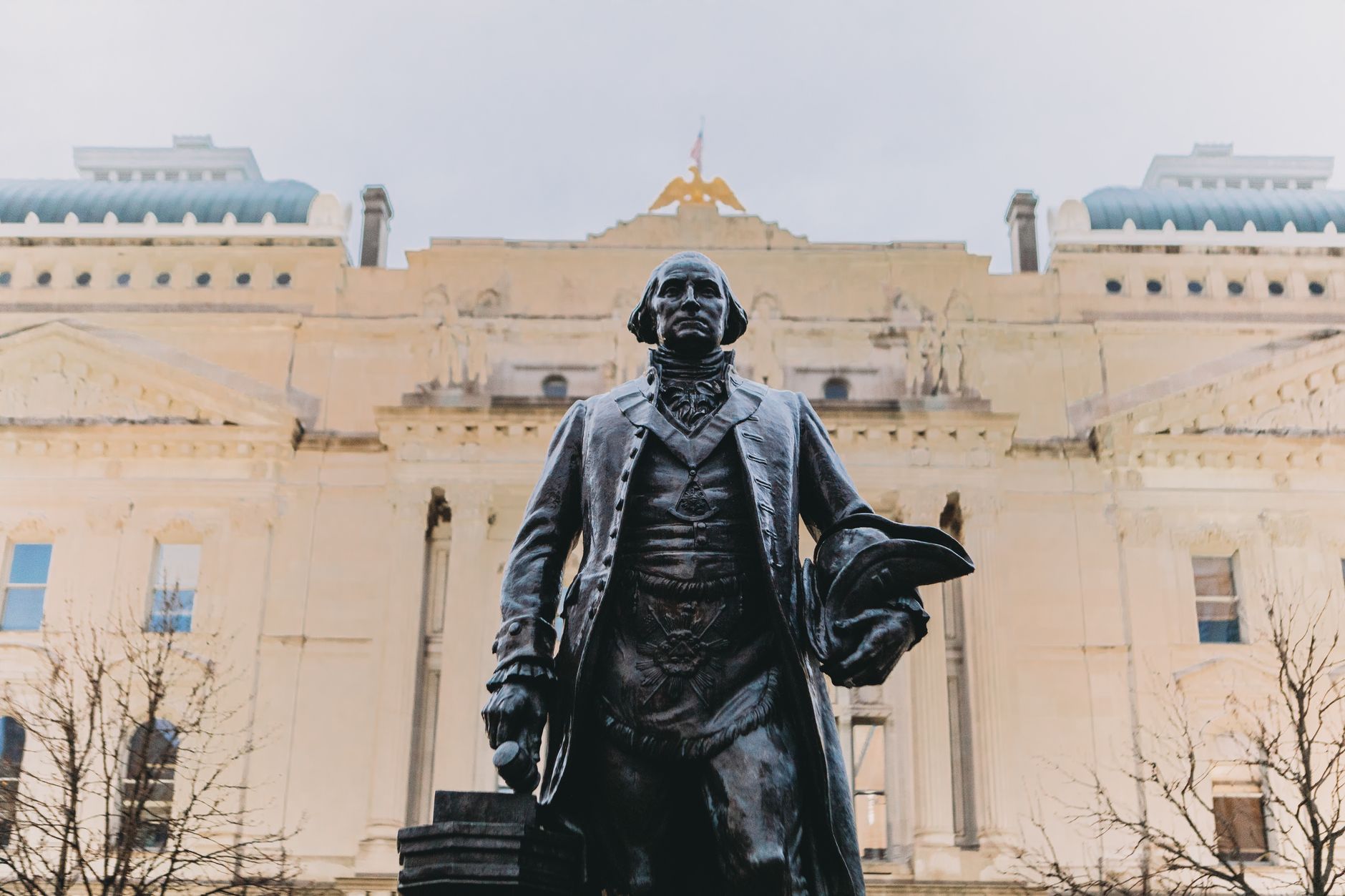
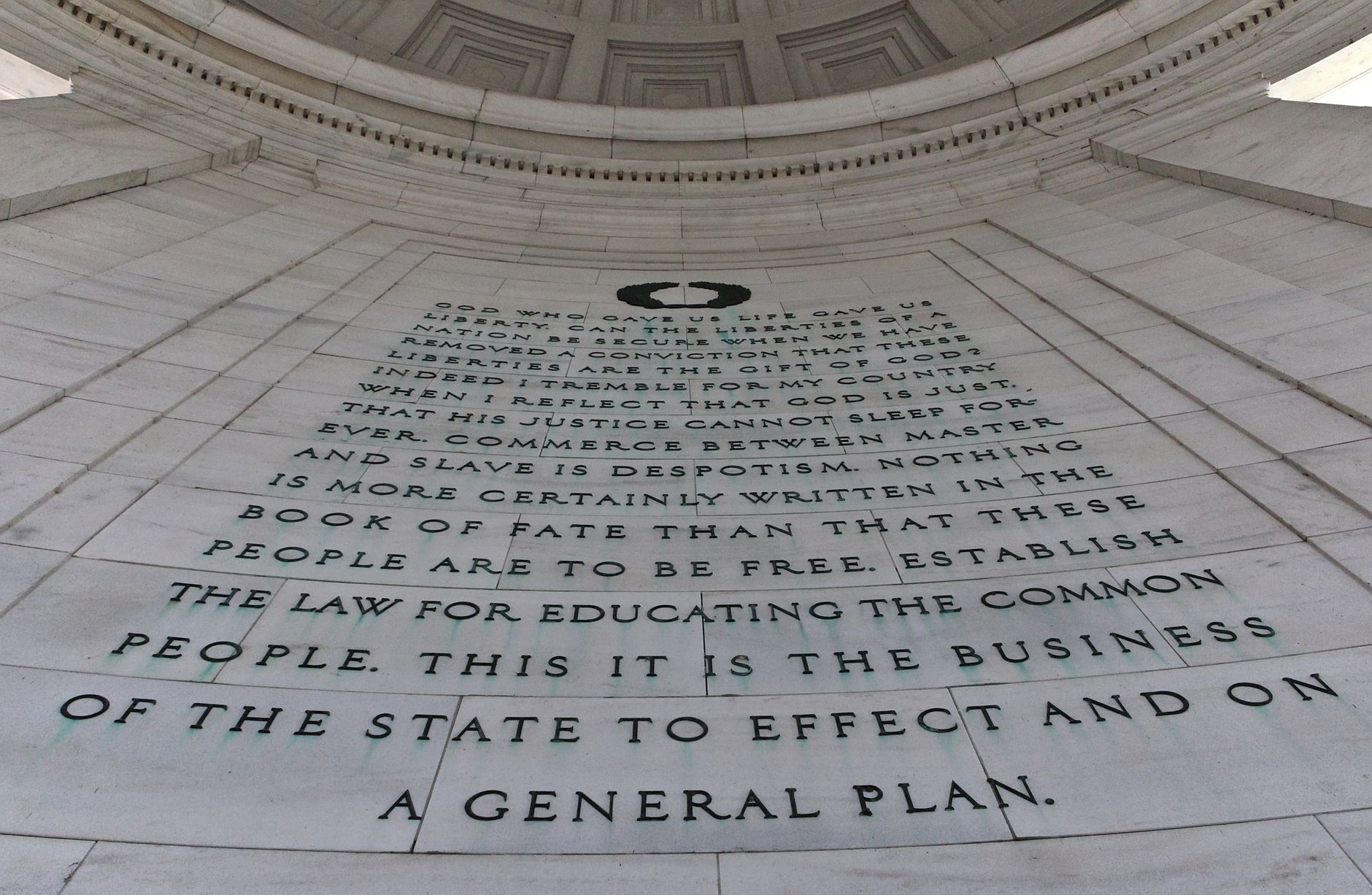
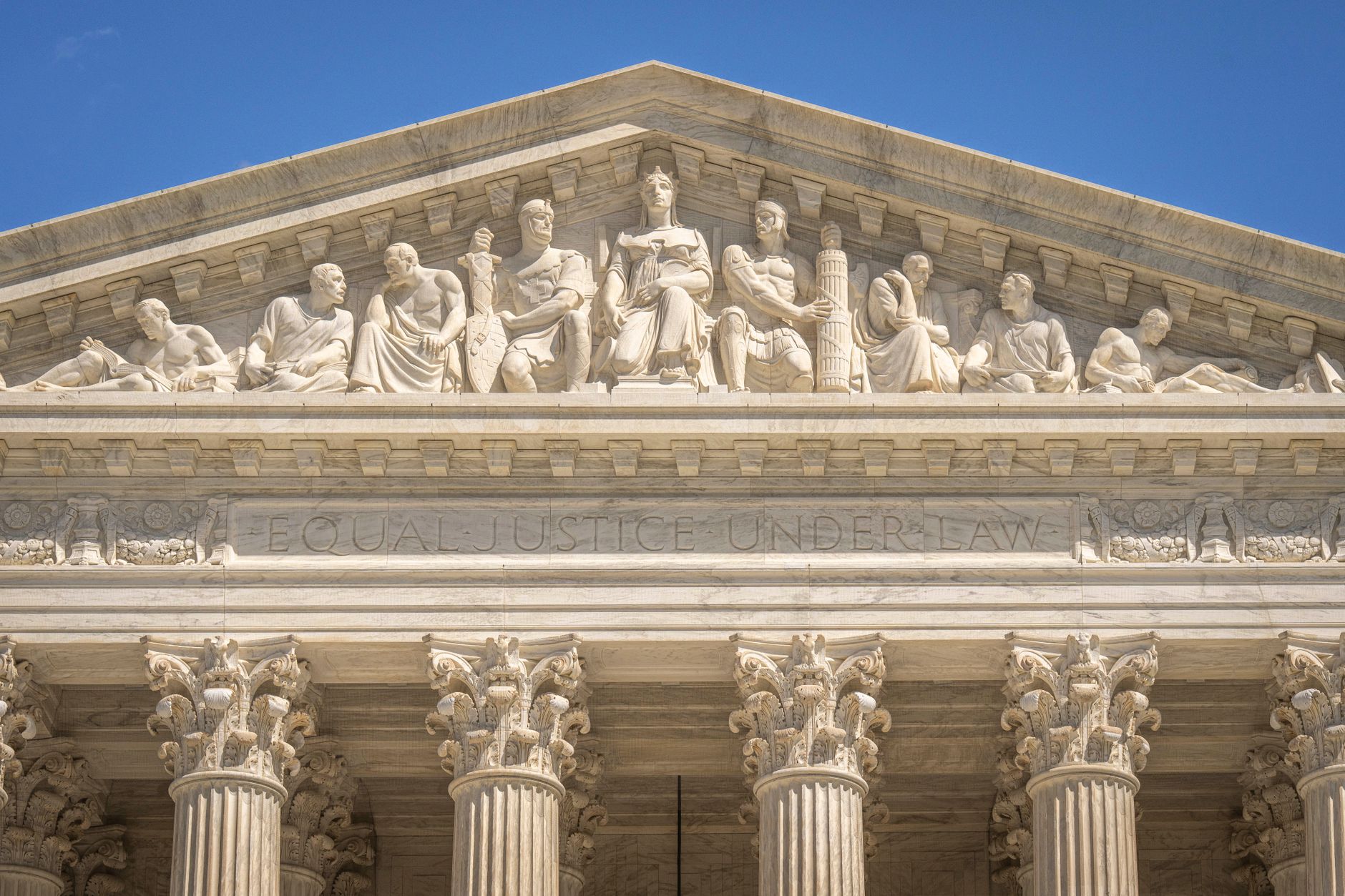
Every slide below is rendered live from the generated pack, in the Amber theme the generator picked. In your account each one is editable, and the deck exports to PowerPoint or Google Slides as real text boxes, not flat pictures. The faint LessonHQ watermark only appears on public previews.

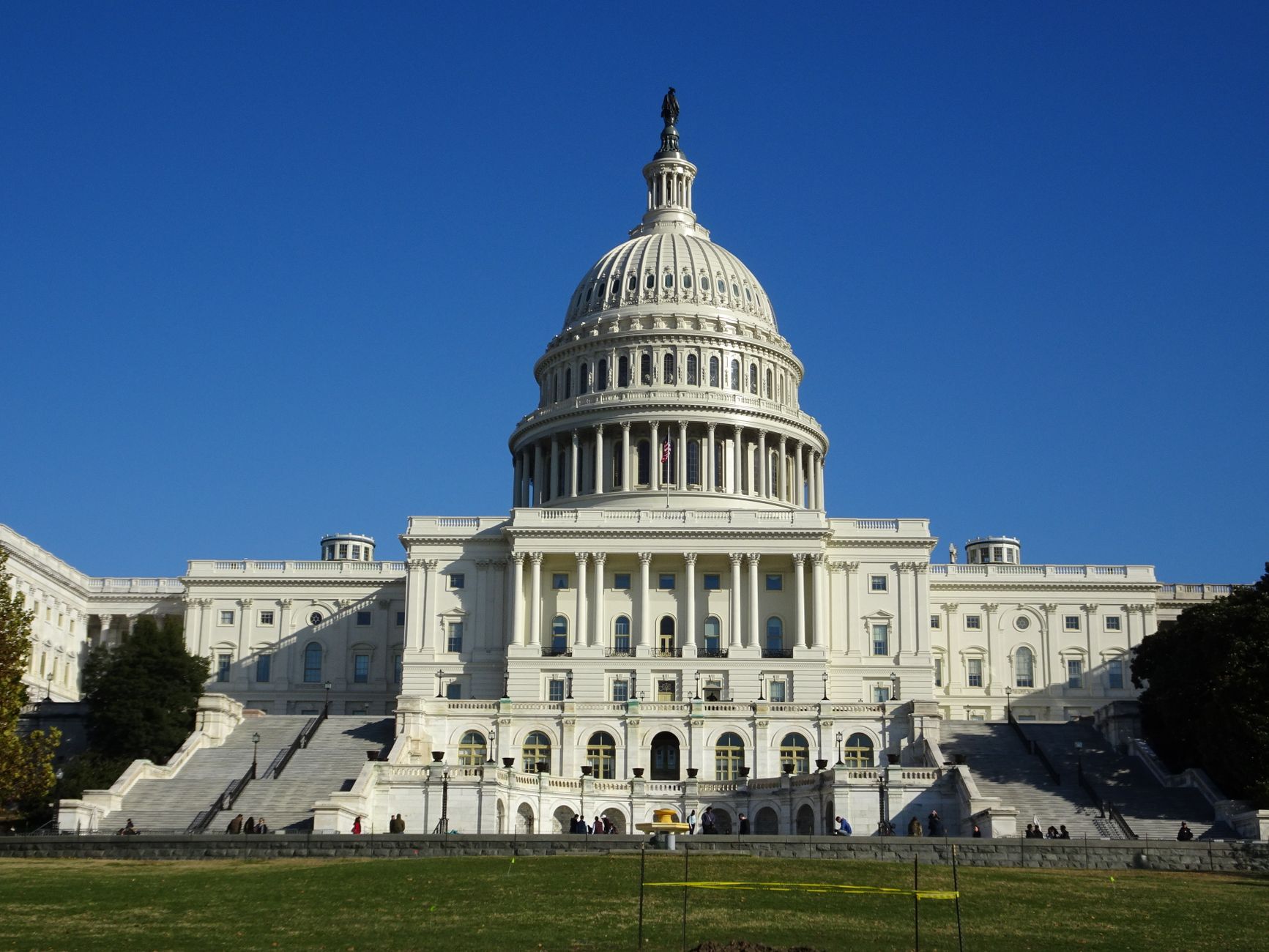
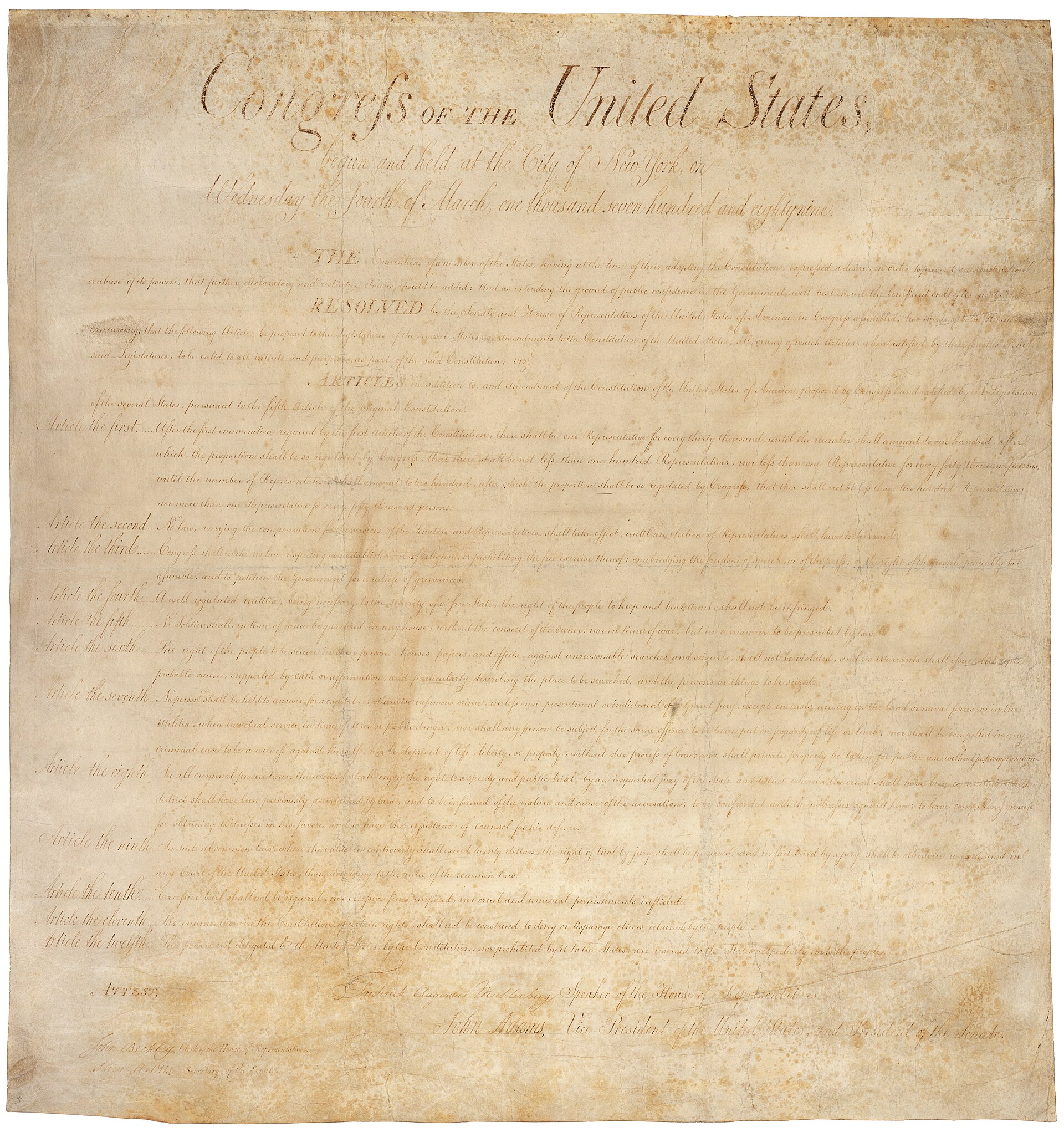
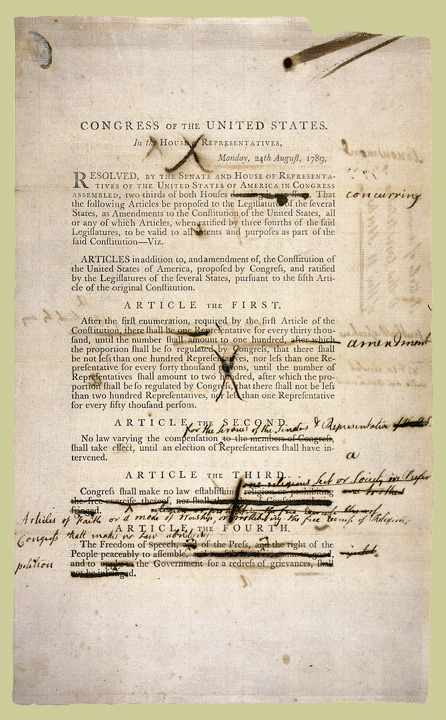
The printable documents
The lesson plan, worksheet and its mark scheme, starter, exit ticket and teacher notes come with the slides. Pick a tab to read each one in full. They print on US Letter and download as Word, PDF or Google Docs.
Timed phases with teacher and student activity, assessment for learning, differentiation and resources.
Why this pack works in the classroom
A true or false item that starts a discussion
'The Bill of Rights contains 12 amendments' is keyed false, and it opens a great conversation: twelve were proposed in 1789 and ten were ratified, and one of the others finally became the 27th Amendment in 1992.
Checks and balances in practice
The worksheet answer key covers the veto and veto override, judicial review, funding and impeachment, so students see checks and balances as actions, not a diagram.
History behind the rights
The exit ticket ties the Fourth Amendment to colonial experiences of general searches, which helps students see each amendment as an answer to a real grievance.
How the lesson runs
The 60-minute lesson plan splits the lesson into 5 timed phases. This is the plan exactly as it was generated.
- 1. Starter8 minTeacher: Display retrieval quiz, circulate and prompt for self‑marking.Students: Complete retrieval questions independently, then self‑mark.
- 2. Main Teaching13 minTeacher: Explain the Constitution’s structure with examples, model a timeline, ask cold‑call questions.Students: Listen, answer hinge questions, take brief notes.
- 3. Active Learning11 minTeacher: Facilitate paired analysis of the Bill of Rights, circulate for support.Students: Work in pairs to match each amendment to a modern example.
- 4. Independent Task8 minTeacher: Circulate, support lower ability, challenge higher ability with an extension question.Students: Write a short paragraph analyzing why freedom of religion was included.
- 5. Plenary10 minTeacher: Collect exit tickets, review answers, clarify any lingering doubts.Students: Complete 3 exit‑ticket questions independently.
Straight from the pack
A few pieces copied word for word from the generated documents, so you can see the level of detail.
Learning objective
Students will analyze the structure of the US Constitution, explain the purpose of the Bill of Rights, and evaluate how checks and balances operate in modern government.
Learning targets
- I can list the three branches of government
- I can describe two powers of Congress and two of the President
- I can identify one example of a judicial review case
- I can evaluate how the Bill of Rights influences modern American life
Differentiation
- Support: Provide a glossary sheet with definitions and a visual diagram of the three branches.
- Core: Standard slide activities and paired discussion tasks.
- Extension: Task higher‑ability groups with a short analysis of Marbury v. Madison and its impact on judicial review.
Warm-up questions
- What year was the US Constitution signed?
- Name one of the three branches of government created by the Constitution.
- How many Amendments are in the Bill of Rights?
- Which Amendment guarantees freedom of speech?
- What principle stops any one branch from gaining too much power?
Worksheet questions
- What year was the Constitution signed and by whom?
- Explain why the First Amendment was considered essential by the Framers.
- Analyze how the system of checks and balances prevents one branch from dominating government, using specific examples.
Misconceptions it tackles
- The Constitution includes all rights citizens have today.: Explain that the Bill of Rights added only ten specific freedoms; later Amendments expanded rights.
- The President can ignore Congress because he is the commander‑in‑chief.: Show how the Constitution gives Congress the power to pass laws and control funding.
Making it fit your class
Give each group one amendment and ask them to find a news story where it matters today. For a debate, use the misconception that the President can ignore Congress as a starting claim to test against the Constitution.
This pack took about a minute to generate. Yours will not be a copy of it: type the same topic and grade and you get a fresh pack, then you can change the length, the ability level and the theme before you press Generate.
Make your own on this topic
The form opens with “The US Constitution and Bill of Rights” and Grade 8 filled in. The free plan includes 2 full lesson packs with no card needed.
Make your own on this topic →Get the editable files
This pack is in the LessonHQ marketplace, where you can download the editable slides and documents.
View it in the marketplace →Frequently asked questions
Is this a real LessonHQ lesson pack?
Yes. It was generated by LessonHQ from the topic "The US Constitution and Bill of Rights" and grade Grade 8, in about a minute, and saved to our library. We read it and checked the facts and answers before showing it here; any small corrections are noted on this page.
Does it cover all ten amendments?
It covers the purpose of the Bill of Rights with the First and Fourth Amendments in detail. For a full lesson on each amendment, generate 'The Bill of Rights: all ten amendments' and LessonHQ builds the lesson around them.
Will I get exactly this pack if I make my own?
No, you get a fresh pack written for your request. Type the same topic and LessonHQ writes a new set of slides and documents, so you can make several versions and keep the best. You can also change the length, ability level and theme first.
Can I edit the slides and documents?
Yes. Every slide is editable in LessonHQ and exports to PowerPoint or Google Slides as real text boxes and shapes. The documents download as Word, PDF or Google Docs on US Letter paper.
How much does it cost?
The free plan includes 2 full lesson packs with no card needed, and the slide generator lets you make 3 decks without signing up. Paid plans add more packs each month.