IEP and 504 Plan Accommodations: A Practical List for Teachers
Accommodations help students with disabilities access the same learning as their classmates. This guide explains the difference between an IEP and a 504 plan, how accommodations differ from modifications, and gives a categorized list of common classroom accommodations with tips for building them into your lesson materials.

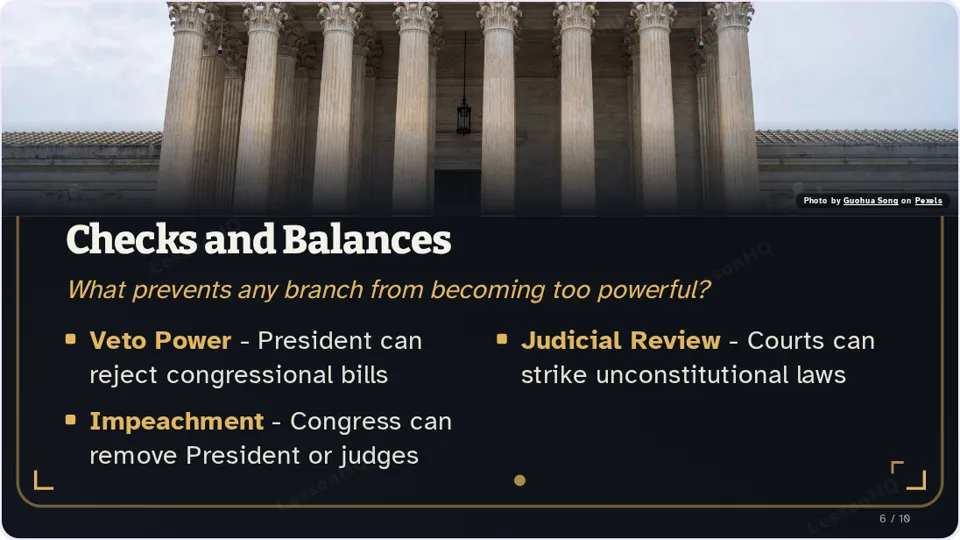
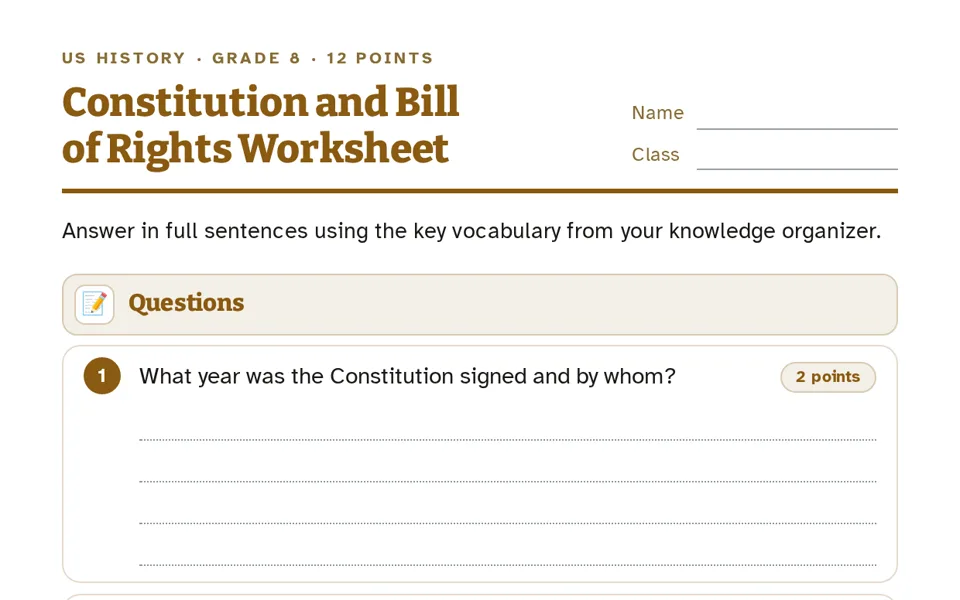
Important note before you start
This page is general information for teachers, not legal advice. Always follow the student's actual IEP or 504 plan, and work with your school's special education team, case manager or 504 coordinator if you have questions about what a plan requires or how to carry it out.
The lists below are common examples only. Every plan is written for an individual student, and the right supports depend on that student's needs, not on a label.
What is an IEP?
An Individualized Education Program (IEP) is a written plan for a student who qualifies for special education under the Individuals with Disabilities Education Act (IDEA). To qualify, a student must have a disability in one of the categories defined by IDEA and need specially designed instruction because of it.
An IEP is developed by a team that includes the student's parents or guardians, at least one general education teacher (if the student is or may be in general education), a special education teacher, a school district representative and others as appropriate, including the student when appropriate. It typically describes the student's present levels of performance, measurable annual goals, special education and related services, and the accommodations and any modifications the student will receive. The IEP must be reviewed at least once a year.
What is a 504 plan?
A 504 plan comes from Section 504 of the Rehabilitation Act of 1973, a civil rights law that prohibits discrimination on the basis of disability in programs and activities that receive federal funding, including public schools.
A student may qualify for a 504 plan if they have a physical or mental impairment that substantially limits one or more major life activities, such as learning, reading, concentrating or walking. A 504 plan usually focuses on accommodations and services that give the student equal access to learning, rather than specially designed instruction. Some students who do not qualify for an IEP may still qualify for a 504 plan.
IEP vs 504 plan at a glance
Both plans support students with disabilities, but they come from different laws and work in different ways.
- Law: an IEP is governed by IDEA; a 504 plan is governed by Section 504 of the Rehabilitation Act of 1973.
- Purpose: an IEP provides specially designed instruction and related services; a 504 plan removes barriers so the student has equal access.
- Eligibility: an IEP requires a disability in an IDEA category plus a need for special education; a 504 plan uses a broader definition of disability.
- What is included: an IEP includes goals, services, accommodations and sometimes modifications; a 504 plan usually lists accommodations and services.
- Paperwork and review: IEPs have specific required content and an annual review; 504 procedures vary more by district.
- In the classroom: under both, teachers are responsible for providing the supports written in the plan.
Accommodations vs modifications
Accommodations change how a student learns or shows what they know. The learning goal and the standard stay the same. Examples include extended time, audio versions of text or a quieter testing space.
Modifications change what a student is expected to learn or show. Examples include fewer or different learning goals, a reduced number of answer choices or an alternate assignment at a different level. Modifications are made through an IEP, and they can affect grading, course credit or which assessments a student takes, so they should only be used when written into the plan.
A simple way to remember it: accommodations level the playing field; modifications change the game. When in doubt, check the plan and ask your special education team.
Presentation accommodations
These change how information is given to the student.
- Audio versions of text or text-to-speech
- Large print or enlarged handouts
- Directions read aloud, repeated or rephrased
- Written copy of directions or notes alongside spoken instructions
- Visual supports such as diagrams, picture cues or graphic organizers
- Key vocabulary highlighted or provided in advance
- Fewer items per page with extra white space
- Braille or tactile materials when specified in the plan
Response accommodations
These change how the student completes work or shows what they know.
- Answering orally instead of in writing
- Use of a scribe or speech-to-text
- Typing instead of handwriting
- Sentence starters or sentence frames
- Calculator or multiplication chart when the skill being assessed is not computation
- Marking answers directly in the test booklet
- Graphic organizers to plan written responses
- Spelling not counted when the task is assessing content knowledge
Setting accommodations
These change where the student learns or takes tests.
- Preferential seating, for example near the teacher or away from doors and windows
- Small-group or one-on-one testing
- Quiet or reduced-distraction space for tests
- Noise-reducing headphones
- Special lighting or adaptive furniture
- Access to a calm-down or break space
- Seating that allows easy movement or wheelchair access
Timing and scheduling accommodations
These change how long the student has or when work happens.
- Extended time on tests and assignments
- Frequent short breaks
- Testing over several sessions or days
- Testing at a particular time of day
- Flexible deadlines for long-term projects
- Chunking long assignments into smaller parts with separate due dates
- Extra time to move between classes
Organization accommodations
These help the student plan, keep track of materials and manage tasks.
- Visual schedule or written agenda for the class period
- Checklists for multi-step tasks
- Planner or assignment notebook checked by an adult
- Copy of class notes or guided notes
- Color-coded folders or materials
- Reminders before due dates
- A second set of textbooks or materials for home
Behavior and attention accommodations
These help the student stay focused and regulate during class.
- Movement breaks or a classroom job that involves movement
- Agreed private signal or cue to refocus
- Positive reinforcement and specific praise
- Advance notice before transitions or schedule changes
- Fidget tool or flexible seating option
- Regular check-ins with a trusted adult
- Clear, posted expectations and routines
- A behavior plan, when one is part of the student's IEP or 504 plan
How to build accommodations into your lesson materials
The easiest accommodations to deliver are the ones you plan in advance. Building them into your materials also helps other students who benefit from clear, well-structured resources.
- Read every plan first: keep a private, confidential summary of each student's accommodations and check it when planning lessons and tests.
- Plan materials in layers: prepare the standard handout plus versions with larger text, fewer items per page or a simplified reading level, keeping the same learning goal.
- Add language supports: include sentence frames, a word bank or key vocabulary with definitions.
- Use visuals: add a graphic organizer, labeled diagram or worked example next to written instructions.
- Write directions clearly: number the steps, keep sentences short and bold the key action word.
- Chunk longer tasks: break assignments into parts with checkpoints.
- Keep it discreet: give adapted versions in a way that does not single students out, for example by offering supports to the whole class.
- Document and communicate: note which accommodations were used and share observations with the special education team.
Adapt lessons with LessonHQ
LessonHQ can generate an adapted version of a lesson with a simplified reading level, sentence frames and larger text, so the materials you plan are ready to match the supports in a student's plan. Always check adapted materials against the student's actual IEP or 504 plan.
Questions teachers ask
What is the difference between an IEP and a 504 plan?
An IEP is a plan under the Individuals with Disabilities Education Act (IDEA) that provides specially designed instruction and related services. A 504 plan comes from Section 504 of the Rehabilitation Act of 1973 and focuses on accommodations that give a student with a disability equal access to learning.
What is the difference between accommodations and modifications?
Accommodations change how a student learns or demonstrates learning, such as extended time or audio text, while the expectations stay the same. Modifications change what the student is expected to learn or demonstrate, such as a reduced or different set of learning goals.
Can a 504 plan include modifications?
504 plans usually focus on accommodations. Changes to what a student is expected to learn are typically handled through an IEP. If you are unsure what a specific plan allows, ask your school's 504 coordinator or special education team.
Do general education teachers have to follow IEP and 504 accommodations?
Yes. Teachers who work with the student are responsible for providing the accommodations written in the plan. If an accommodation is unclear or hard to provide in your class, talk to the case manager or 504 coordinator rather than changing it on your own.
Can accommodations be used on state tests?
Many accommodations can be used on state assessments, but the rules about which ones are allowed vary by state and by test. Your school's testing coordinator and special education team can confirm what applies to each student.
Turn any of this into a lesson in 60 seconds.
Slides, worksheets and activities for your grade and topic, ready to edit.
Who makes LessonHQ
I'm Aaron, the founder. I'm not a teacher, but I'm surrounded by them, and I built LessonHQ after watching the teachers in my life lose their evenings and weekends to lesson prep. Every lesson it makes is yours to edit, because your professional judgment is the part that matters most.